I'm very sorry for not being able to update regularly this "other" blog of mine. But no, this is not yet a dead blog..I will keep on writing about Philippine komiks history here so I hope you will drop by from time to time for updates and new discoveries.
The holidays, instead of giving me ample time for research, kept me busy more than ever. As you may have read in my previous entries, I am researching on the early Philippine cartoons from the Spanish era to the pre-war period.
I was able to discover so many interesting materials like an old comic strip from the Philippine Revolution era, as well as some turn-of-the-century comic strips from period newspapers. I am not sure if luck or serendipity kept me on unearthing some of these very important materials, but I will eventually share them here with you, just like what I did in the past.
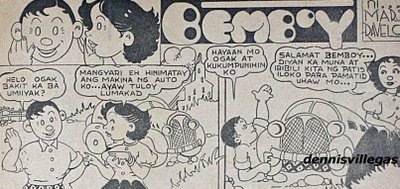
Last night, as I was browsing through some of my old komiks files, I was able to find this inserted one of the pages of a very old komik book:

The world's smallest Tagalog Komiks, a free comic book inside a Bubble Gum wrapper. Cool!
Well, as far as I know, this is the smallest Tagalog komik book ever published. Actually, it was never published at all in a regular manner. During the 1950s and 1960s, a Bubble Gum factory called Columbia Candy, sold bubble gums with this miniature komik book (created by Tony Velasquez) inside as a freebie. It is very possible that the previous owner of the komiks bought a Columbia chewing gum and got this miniature komiks free. He then inserted this small komiks to the komiks he was reading(now my komiks), as a page marker.
Anyway, that's what just came to my mind, but maybe there are other circumstances behind. What is more important was that I was able to discover this. This miniature komiks is just a very exciting dicovery for me. The only other person I know who has one like this is my friend and fellow komiks collector Architect Alex Villaflor. But instead of Kenkoy, he has got the title "Kulafu" the character created by pioneer comics illustrator Francisco Reyes.
Well, all these materials I am gathering will find their place in the komiks museum I am envisioning in the near future.


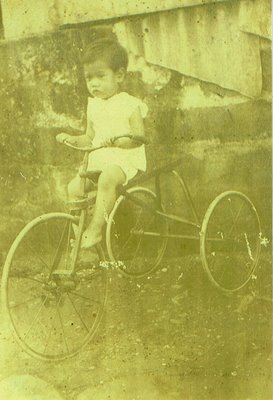
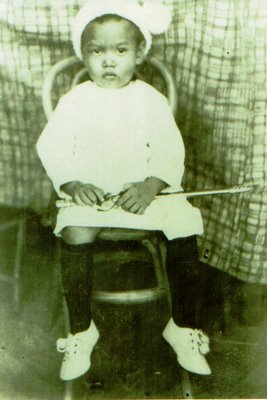 Tony Velasquez, age 5, circa 1916. Unknown to many, Tony Velasquez was a vistuoso violinist who studied under the great Filipino composer, Bonifacio Abdon.
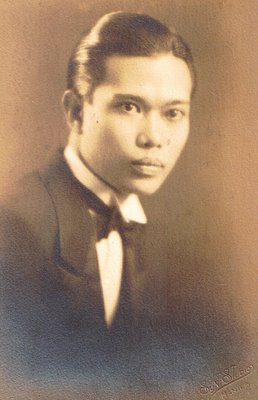 Studio Portrait, taken the year Kenkoy was born in the pages of the Liwayway in 1929.
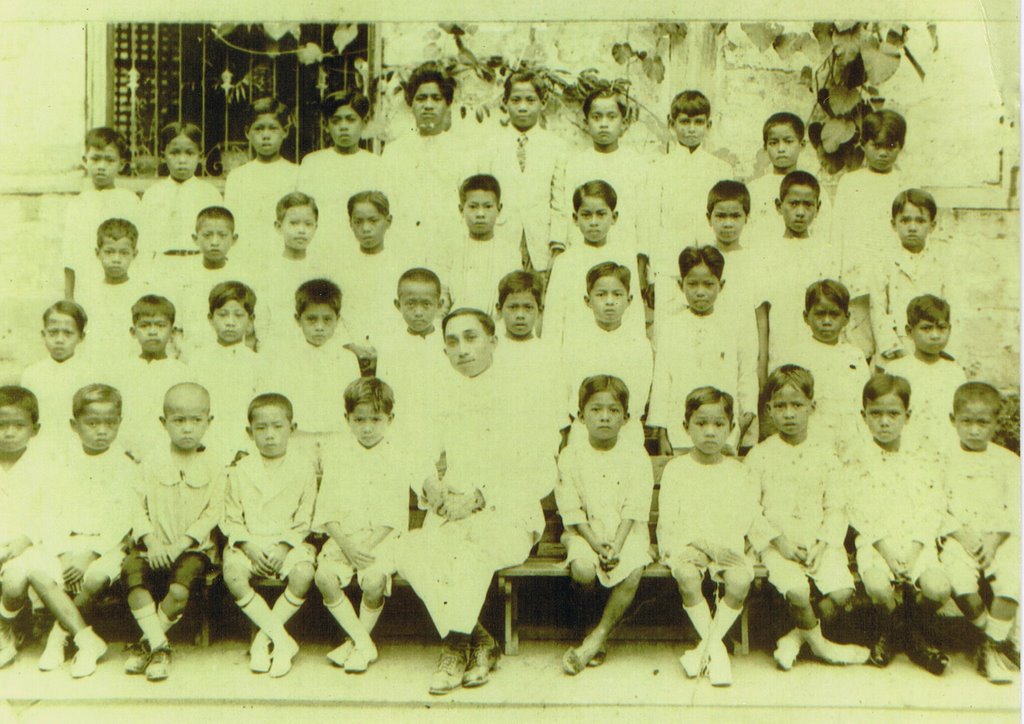
 The Don Ramon Roces Swimming Team, circa 1936.
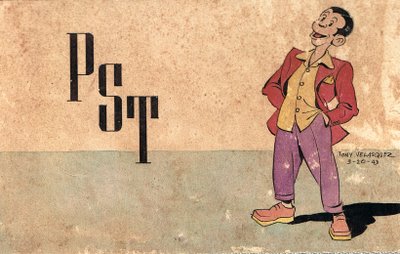 The very first Kenkoy greeting card sent by Tony Velasquez to Ms. Pilar Tongco, during the Japanese Occupation, 1943. Tony Velasquez was employed as graphic artist by the HODOBU, a Japanese information service bureau located in Escolta. Ms. Pilar Tongco was employed as librarian there.
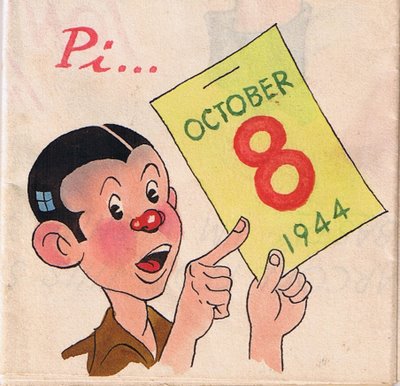 A Kenkoy Birthday Card sent to Ms. Pilar Tongco during the last year of the Japanese Occupation, 1944.
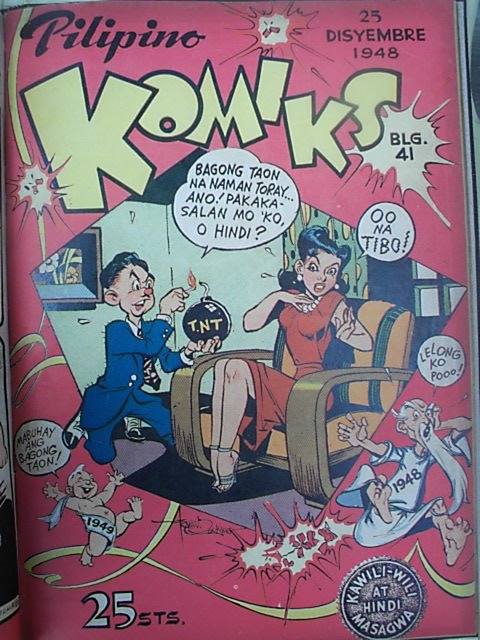
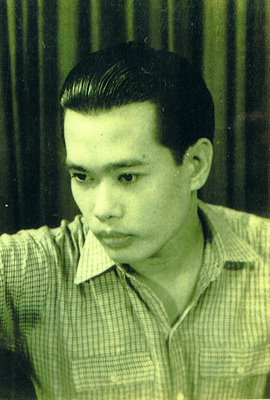 Velasquez in 1946, right after the founding of Ace Publications and Pilipino Komiks, 1947.
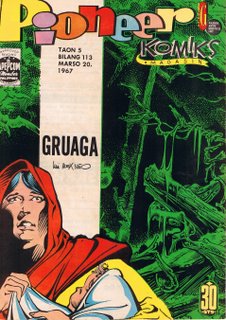 Cover of Pioneer Komiks #113 by the great Filipino international illustrator Alex Nino.
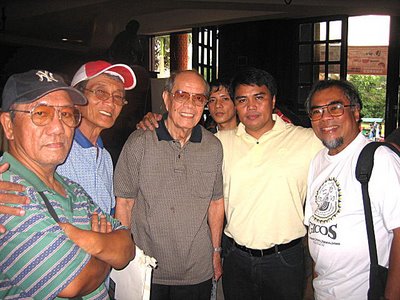 Left to Right: Nar Castro, Yong Montano, Jess Jodloman(Alex Nino's teacher!), Mar Macalindong, Me(as in, me), and collector and comics archivist Orvy Jundis (Thanks to Erwin Cruz for this photo)
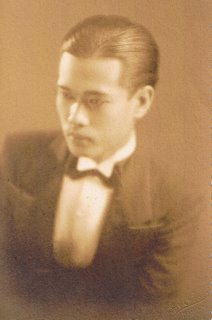 Studio Portrait 1929, around the time of the birth of Kenkoy
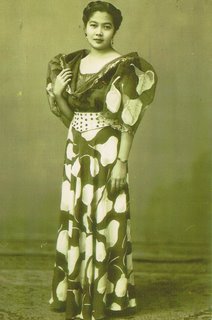 Ms. Pilar Tongco, the real-life Rosing of the Kenkoy Album, circa 1943
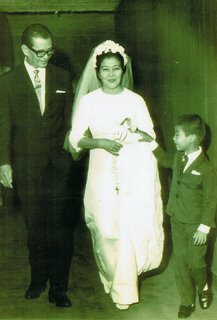 The long-awaited marriage finally happened in 1967
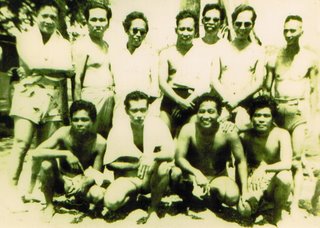 When they were kings...the kings of komiks in a rare photograph taken while on a beach holiday, circa 1958. Tony Velasquez is second from left, first row.


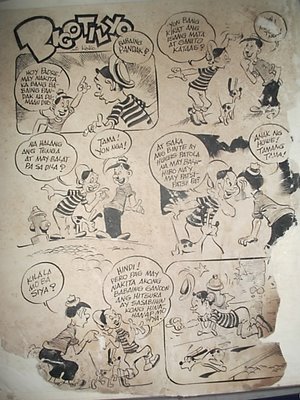 Bing Bigotilyo is Francisco V. Coching's first cartoon character. It first appeared in the Silahis Magazine in late 1930s, was censored during the Japanese occupation, and continued after the war. Although Coching was more well known for his serious comic art, which by the way influenced generations of Philippine comics artists, yet unknown to many, he started out his career as a cartoonist in the Silahis Magazine. His style of cartooning was different from the style of Tony Velasquez or Francisco Reyes, but more in the vein of style by Mauro Malang and Romeo Tabuena.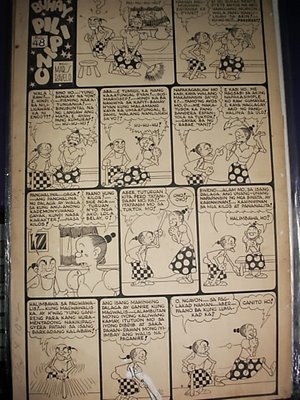
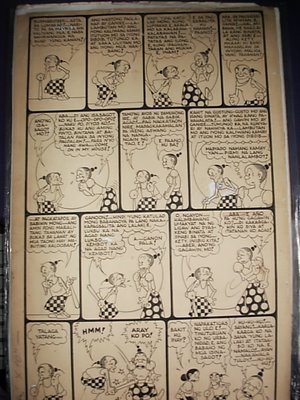 Mars Ravelo's BUHAY PILIPINO may well be the master's greatest work, and for a reason. It was Ravelo's most popular and enduring work. I really think that Ravelo was at the height of his writing prowess when he created Buhay Pilipino. It was more than a comic strip, it reflected the very life of the typical Filipino family of those golden years. More than any other cartoon strip, Ravelo manifested his deep knowledge of sociology and psychology in Buhay Pilipino.
 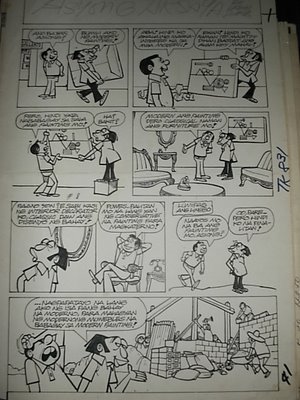 One of Larry Alcala's most famous cartoon characters, Asyong Aksaya dubuted in the Tagalog Komiks in the 1970s. It was later adapted into a movie starring Chiquito in the extravagant title role.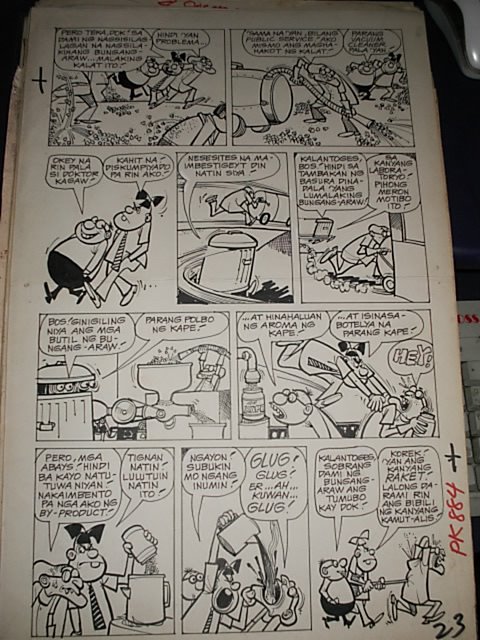
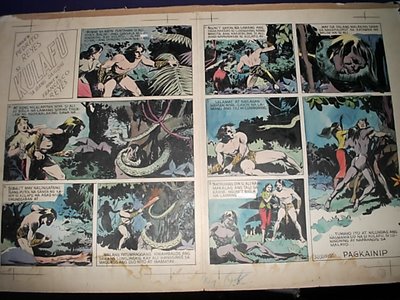 A contemporary of Tony Velasquez, Jose Zabala-Santos and J.M. Perez, Francisco Reyes great contribution to Philippine cartoon art is his immortal KULAFU. Of course, none of us younger geneartion living today will know that, because Kulafu existed only during the pre-war years of Philippine cartooning.
  Kenkoy, the first Filipino cartoon character, with his creator Tony Velasquez (aged 19) in the background, the recognized Father of the Tagalog Comics. (This is actually an old Kenkoy figurine doll from the collection of Tony Velasquez, and I placed his vintage picture from 1929 as a background)
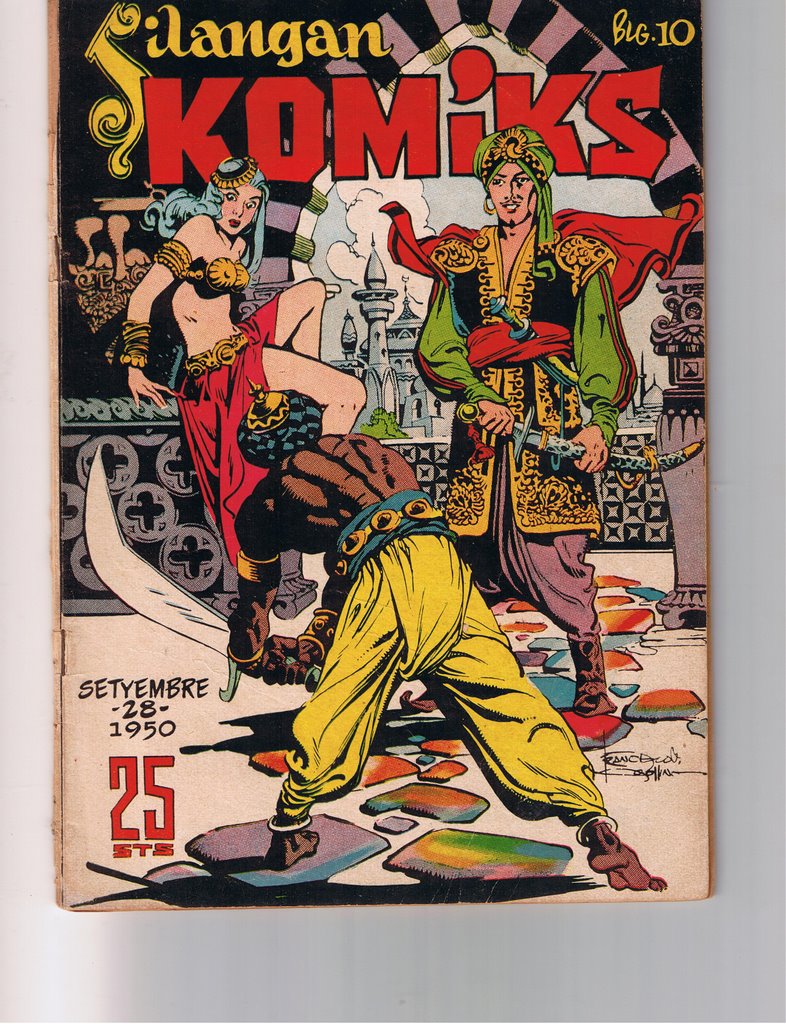
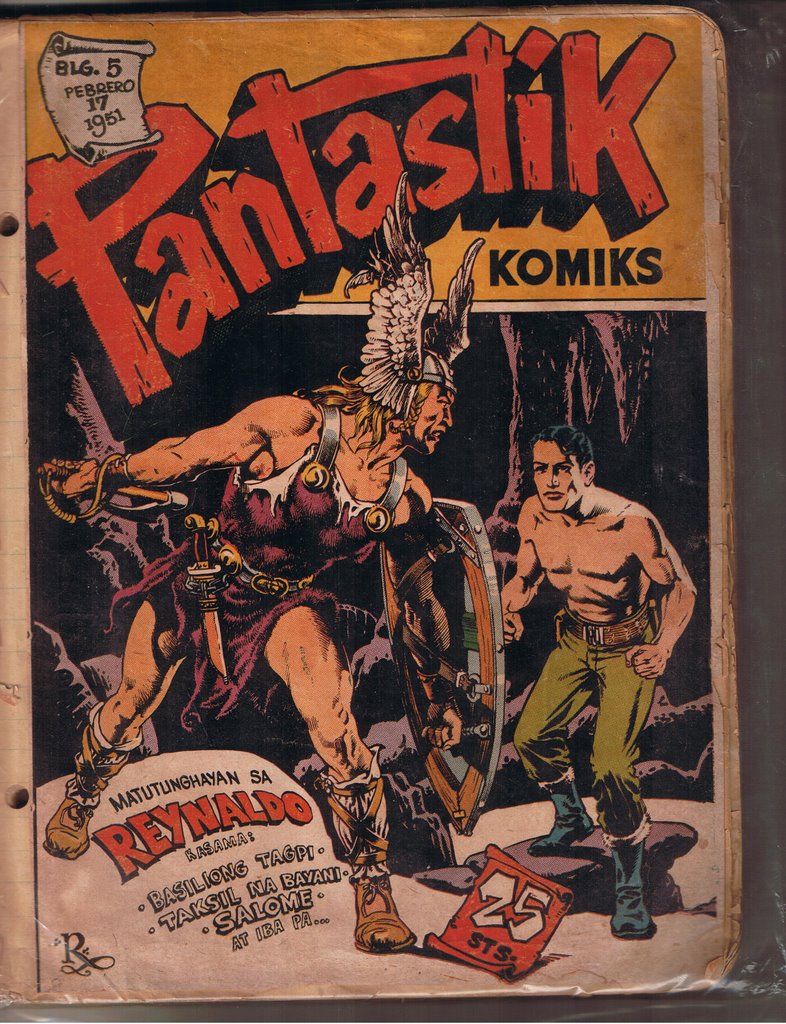
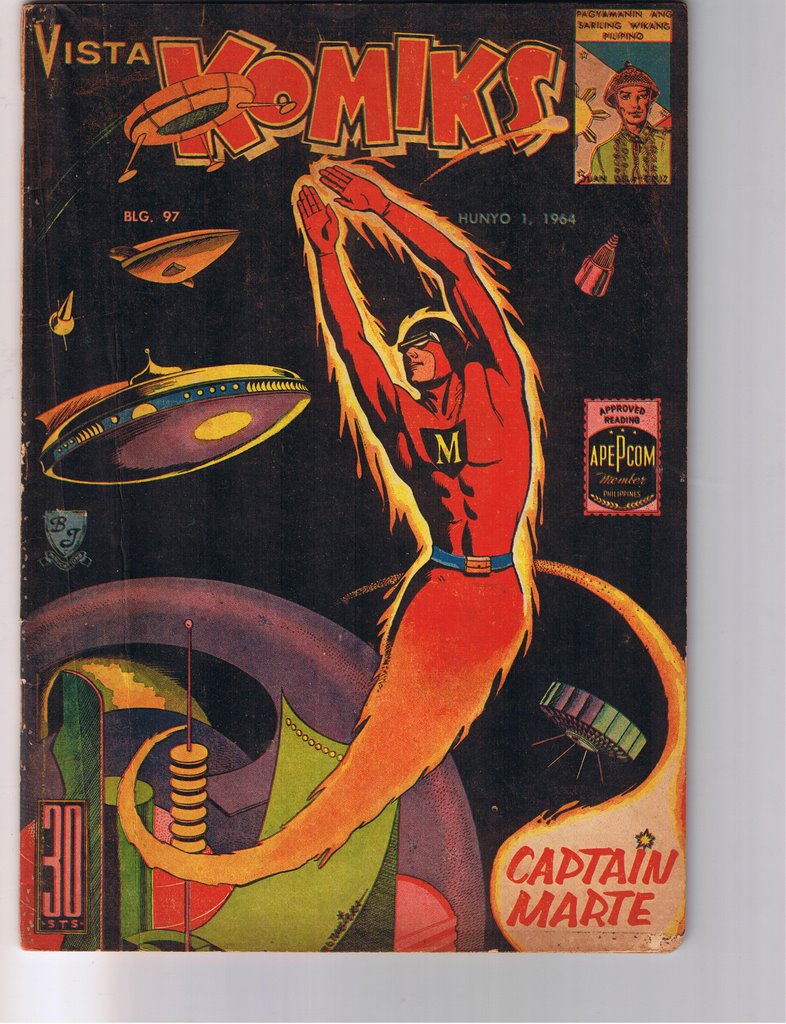
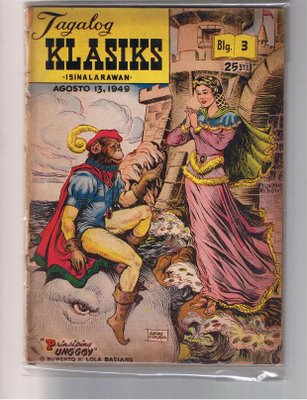

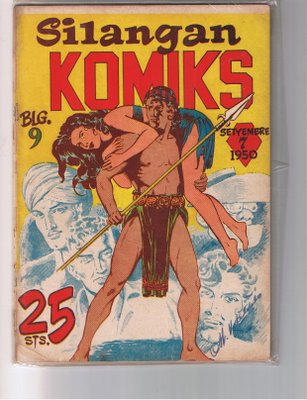
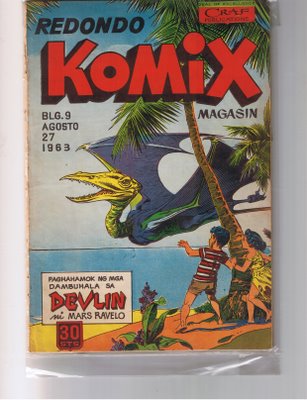
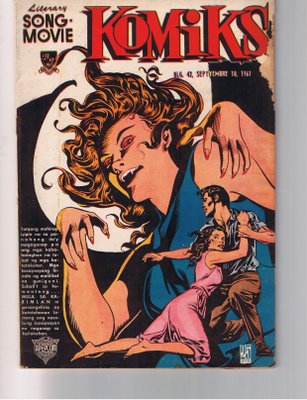
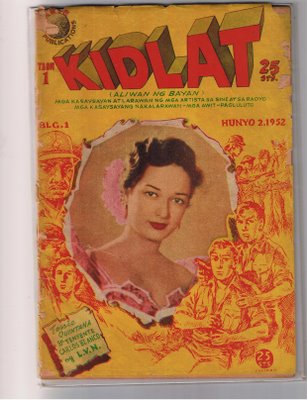
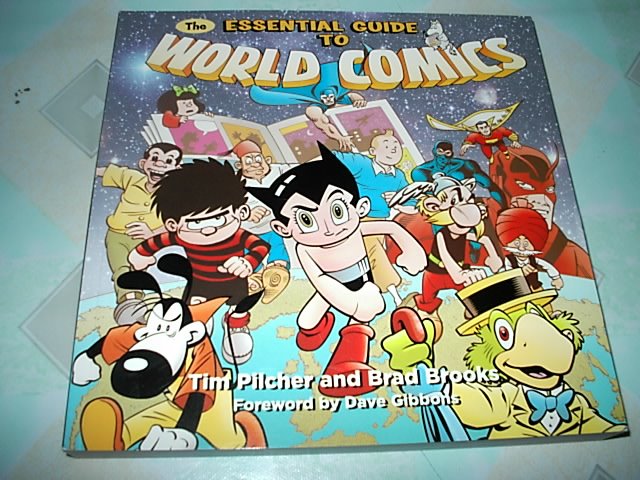
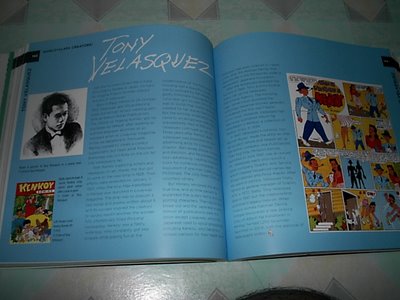 A special two-page spread tribute to Tony Velasquez, father of Philippine Comics.
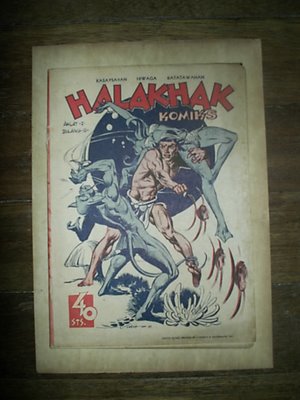 Halakhak Komiks #9, 1946. This is the only Coching cover for the extremely rare Halakhak Komiks, featuring Bulalakaw, one of his early komiks characters.
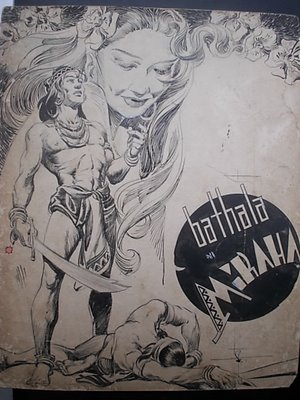 Liwayway Cover, Issue for October 9, 1947
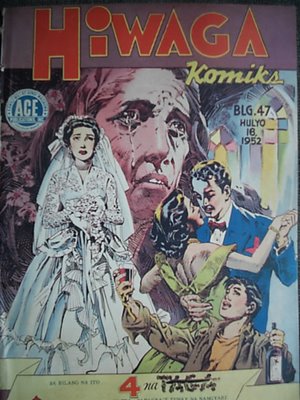 Hiwaga Komiks#47, July 16, 1952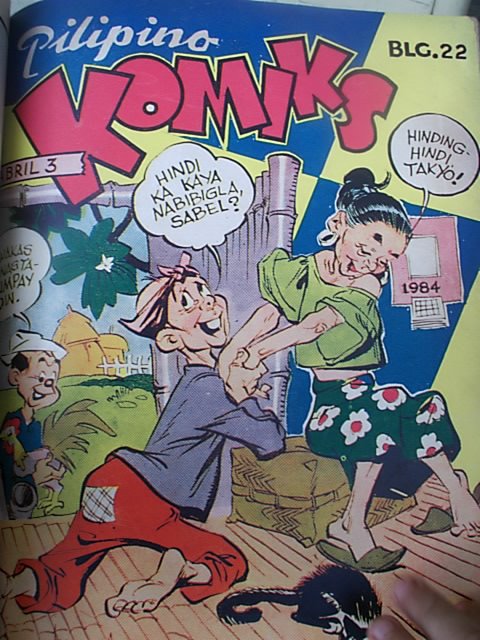
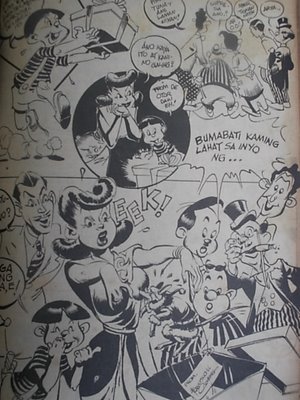 Paloma, the first cartoon character of Coching in Pilipino Komiks, 1947.