It's really hard nowadays to find vintage copies of old Liwayway. Like Tagalog komiks, Liwayway was very popular back then, but very few Filipinos managed to collect them; the old Liwayway copies have suffered the same fate of the old komiks: pambalot ng tinapa (dried fish wrapper).
I liked the Liwayway not only because I enjoyed the stories in it, but also because I learn so much from it, the most important of which is my understanding of the Tagalog language. I have a deep admiration for the Tagalog language, and by reading Liwayway, my own Tagalog communication skills are enriched.
Yesterday, while browsing an old copy of Liwayway, I found one of the classic anthologies in Tagalog literature: "Mga Kuwento ni Lola Basyang".
Don Severino Reyes, the famous Tagalog playwright of the early 1900s-who wrote the immortal "Walang Sugat" play- was the man behind the Lola Basyang stories.
Don Severino Reyes, the famous Tagalog playwright of the early 1900s-who wrote the immortal "Walang Sugat" play- was the man behind the Lola Basyang stories.
 "Ang Hari sa Bundok na Ginto" Tagalog Klasiks #7. Written by Severino Reyes, comics adaptation by Pedrito Reyes, illustrations by Jesus Ramos. Cover art by Maning De Leon.
Popularly known as Mang Binoy, Don Severino Reyes, was also the co-founder and editor of the Liwayway in 1923. The very first years of the Liwayway was a struggle, and there was scarcity of literature to include in its contents, so Mang Binoy created the "Mga Kuwento ni Lola Basyang" in 1925 as filler. He did not sign it with his name though because he thought it was unethical, while still serving as editor of the magazine.
And so Mang Binoy used the byline "Lola Basyang" after a friend's neighbor named Gervacia Guzman de Zamora, who was known as "Tandang Basyang". It was from her where Mang Binoy took the inspiration to create"Lola Basyang".
In real life, Tandang Basyang was described as an old bespectacled woman in baro't saya, seated in her famous silyon, and reading her timeless classic stories- dug from her ancient baul- to her fascinated grandchildren.
The grandchildren were more than eager to hear stories about faraway castles, heroic princes, lovely maidens, giants, and elves. Always, at the end of each story is a moral lesson to be learned.
In real life, Tandang Basyang was described as an old bespectacled woman in baro't saya, seated in her famous silyon, and reading her timeless classic stories- dug from her ancient baul- to her fascinated grandchildren.
The grandchildren were more than eager to hear stories about faraway castles, heroic princes, lovely maidens, giants, and elves. Always, at the end of each story is a moral lesson to be learned.
The first story of the "Mga Kuwento ni Lola Basyang" was entitled ang "Plautin ni Periking", a wonderful story of a kindhearted kid who has a magical flute and flying carpet.
It was the first of the more than 400 "Lola Basyang" stories to have graced the Liwayway, and only discontinued because of Mang Binoy's death in 1942.
 Ang Sirena sa Ilog Pasig. Tagalog Klasiks #5.
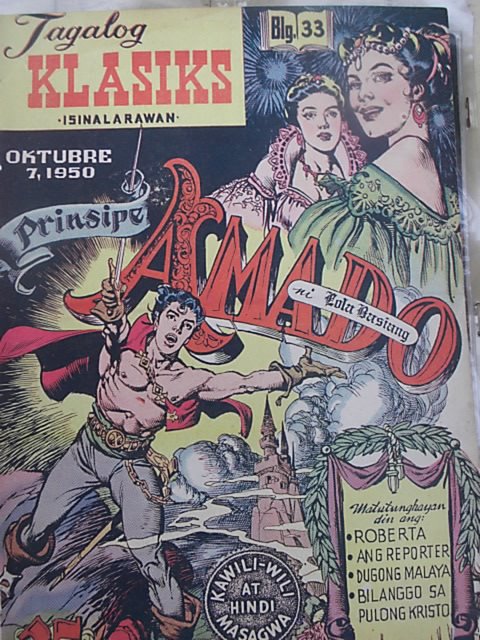
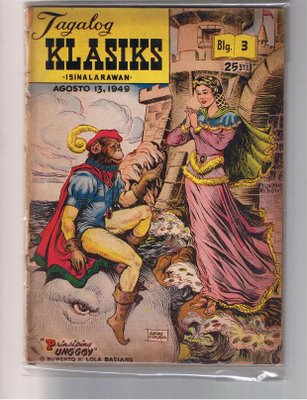
In 1949, Mang Binoy's son, Pedrito Reyes, decided to revive the "Lola Basyang" stories. Working on the original scripts of his father, Pedrito transformed Lola Basyang's stories into komiks form, appearing in the earliest isuues of the Tagalog Klasiks. The illustrations were done by Maning De Leon, Jesus Ramos, and later on Ruben Yandoc and Jess Jodloman.
 Ang Sinsing na Tanso. Mga Kuwento ni Lola Basyang. Illustrated by Jess Jodloman.
The "Lola Basyang" stories became more popular with its komiks versions, because now, Filipinos can visualize the stories by means of the illustrations. Later on, in the early 1950s, based on the komiks versions, a succesful movie adaptation was created. Now, GMA Channel 7 is adapting the stories into a television series.
Well, that's just goes on to say that a classic never goes out of style.
And the Liwayway and "Mga Kuwento ni Lola Basyang" never will.
 Haring Tulisan. Mga Kuwento ni Lola Basyang. Illustrated by Ruben Yandoc.
 Ang Prinsipeng Unggoy.Tagalog Klasiks #3.1949. Author's collection.


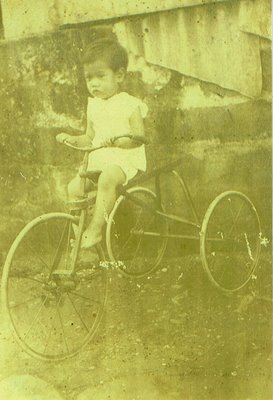
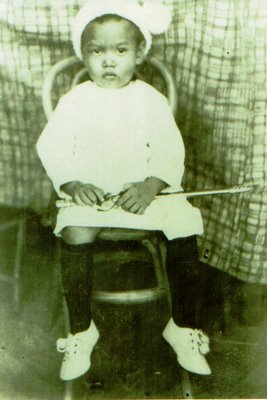 Tony Velasquez, age 5, circa 1916. Unknown to many, Tony Velasquez was a vistuoso violinist who studied under the great Filipino composer, Bonifacio Abdon.
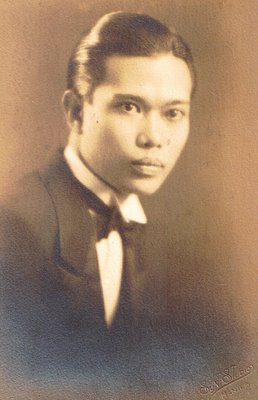 Studio Portrait, taken the year Kenkoy was born in the pages of the Liwayway in 1929.
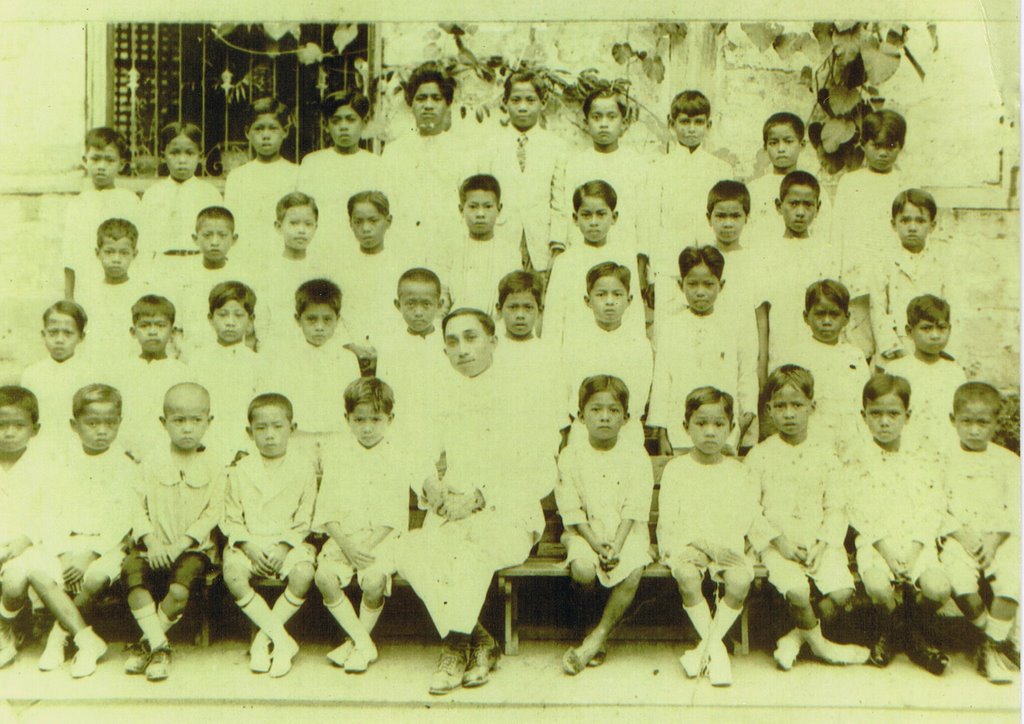
 The Don Ramon Roces Swimming Team, circa 1936.
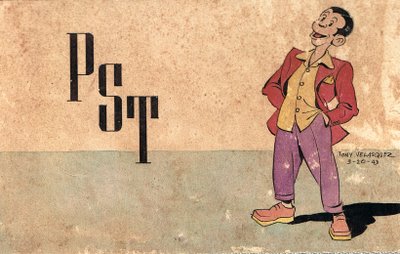 The very first Kenkoy greeting card sent by Tony Velasquez to Ms. Pilar Tongco, during the Japanese Occupation, 1943. Tony Velasquez was employed as graphic artist by the HODOBU, a Japanese information service bureau located in Escolta. Ms. Pilar Tongco was employed as librarian there.
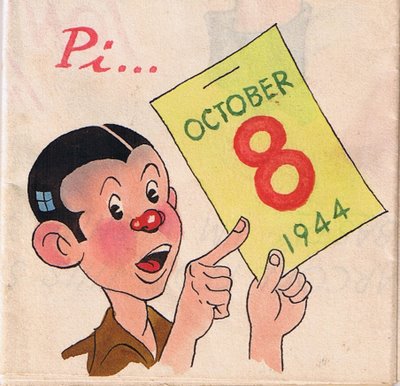 A Kenkoy Birthday Card sent to Ms. Pilar Tongco during the last year of the Japanese Occupation, 1944.
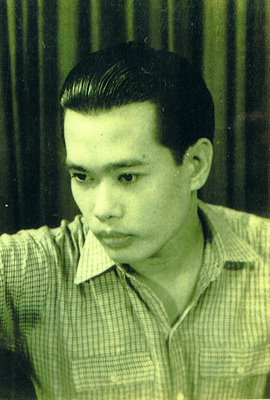 Velasquez in 1946, right after the founding of Ace Publications and Pilipino Komiks, 1947.
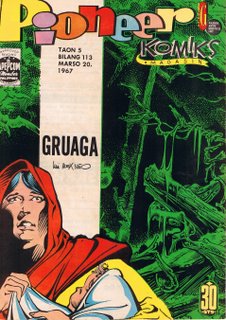 Cover of Pioneer Komiks #113 by the great Filipino international illustrator Alex Nino.
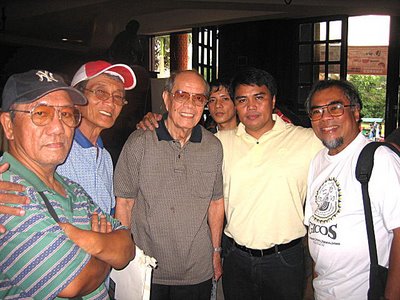 Left to Right: Nar Castro, Yong Montano, Jess Jodloman(Alex Nino's teacher!), Mar Macalindong, Me(as in, me), and collector and comics archivist Orvy Jundis (Thanks to Erwin Cruz for this photo)
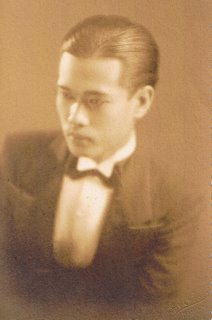 Studio Portrait 1929, around the time of the birth of Kenkoy
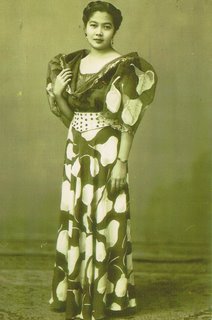 Ms. Pilar Tongco, the real-life Rosing of the Kenkoy Album, circa 1943
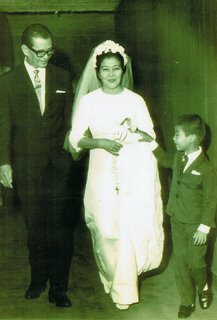 The long-awaited marriage finally happened in 1967
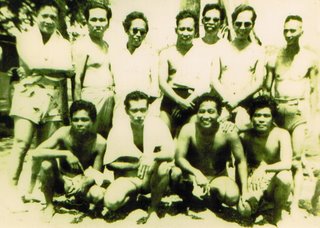 When they were kings...the kings of komiks in a rare photograph taken while on a beach holiday, circa 1958. Tony Velasquez is second from left, first row.


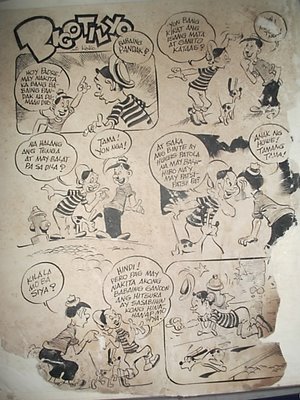 Bing Bigotilyo is Francisco V. Coching's first cartoon character. It first appeared in the Silahis Magazine in late 1930s, was censored during the Japanese occupation, and continued after the war. Although Coching was more well known for his serious comic art, which by the way influenced generations of Philippine comics artists, yet unknown to many, he started out his career as a cartoonist in the Silahis Magazine. His style of cartooning was different from the style of Tony Velasquez or Francisco Reyes, but more in the vein of style by Mauro Malang and Romeo Tabuena.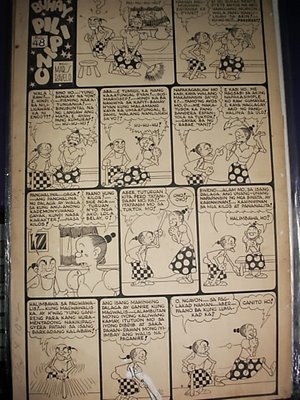
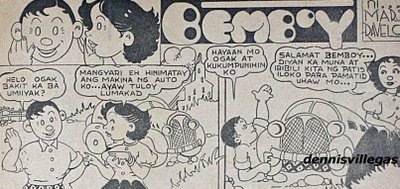
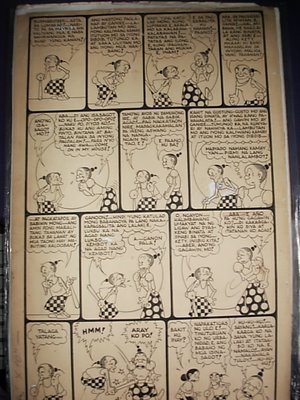 Mars Ravelo's BUHAY PILIPINO may well be the master's greatest work, and for a reason. It was Ravelo's most popular and enduring work. I really think that Ravelo was at the height of his writing prowess when he created Buhay Pilipino. It was more than a comic strip, it reflected the very life of the typical Filipino family of those golden years. More than any other cartoon strip, Ravelo manifested his deep knowledge of sociology and psychology in Buhay Pilipino.
 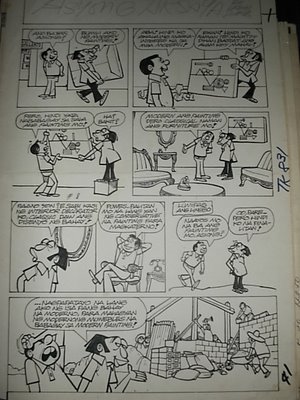 One of Larry Alcala's most famous cartoon characters, Asyong Aksaya dubuted in the Tagalog Komiks in the 1970s. It was later adapted into a movie starring Chiquito in the extravagant title role.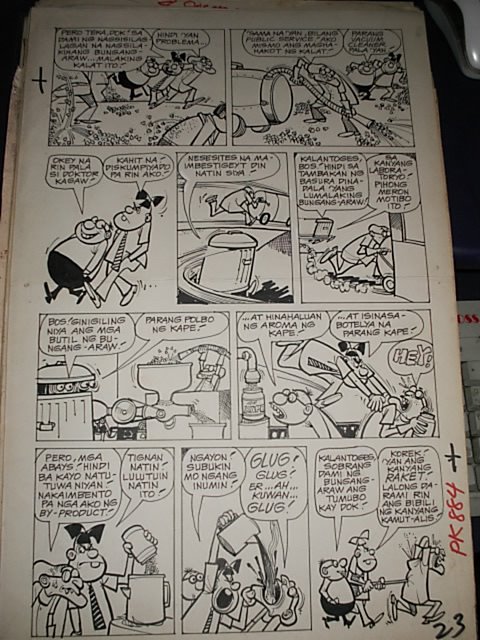
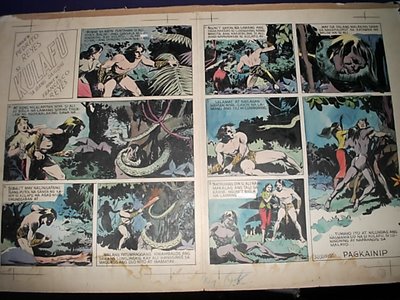 A contemporary of Tony Velasquez, Jose Zabala-Santos and J.M. Perez, Francisco Reyes great contribution to Philippine cartoon art is his immortal KULAFU. Of course, none of us younger geneartion living today will know that, because Kulafu existed only during the pre-war years of Philippine cartooning.
  Kenkoy, the first Filipino cartoon character, with his creator Tony Velasquez (aged 19) in the background, the recognized Father of the Tagalog Comics. (This is actually an old Kenkoy figurine doll from the collection of Tony Velasquez, and I placed his vintage picture from 1929 as a background)
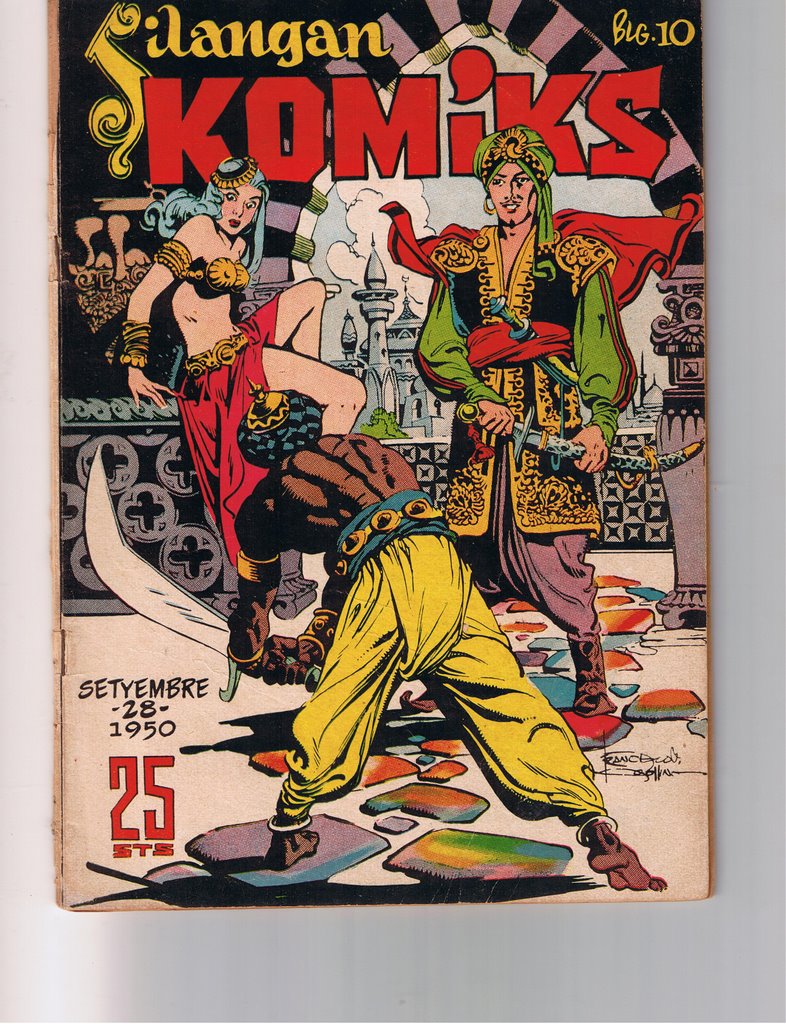
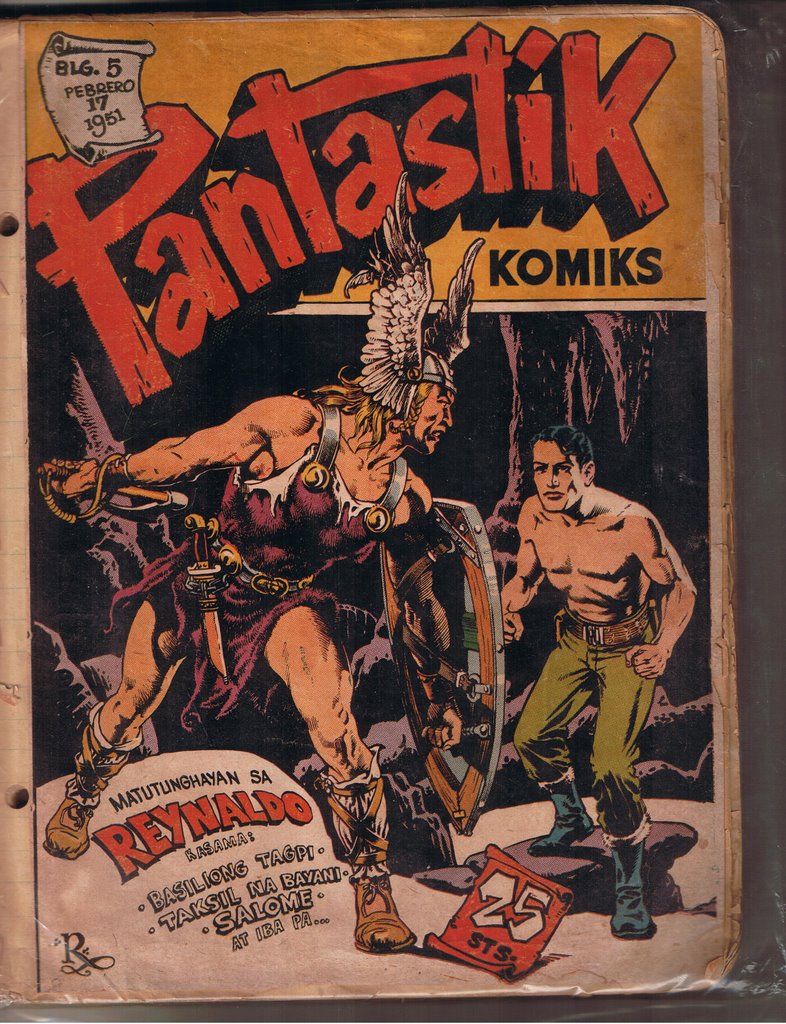
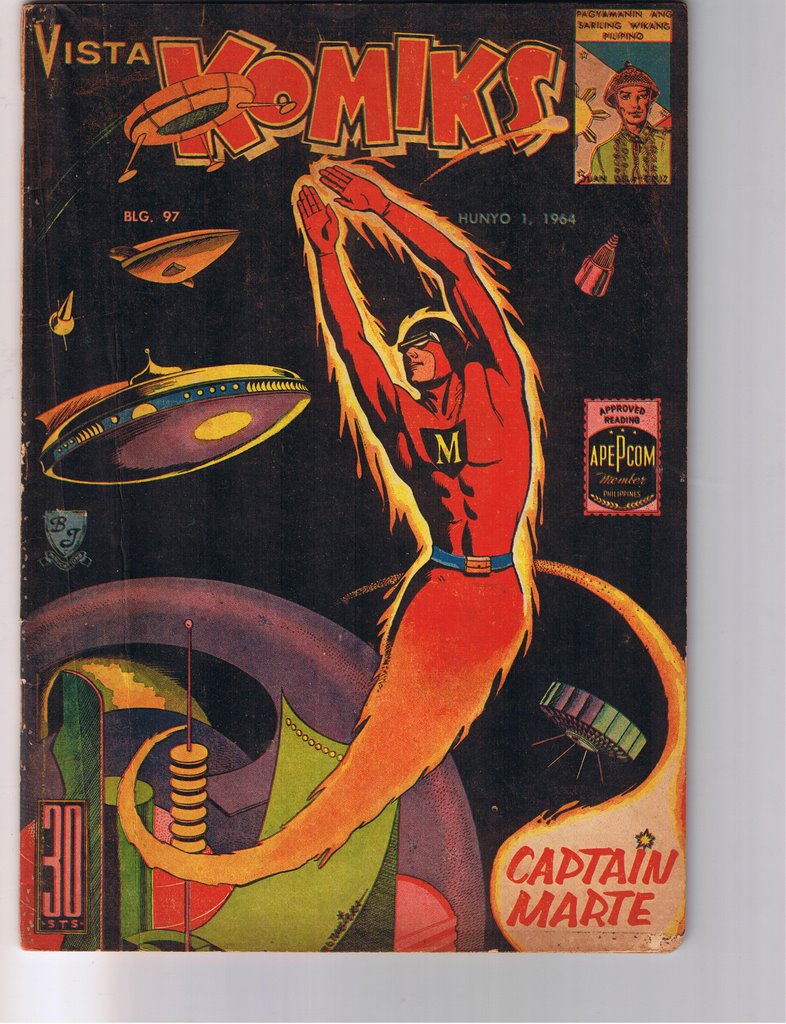

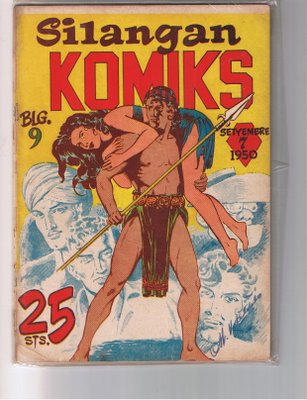
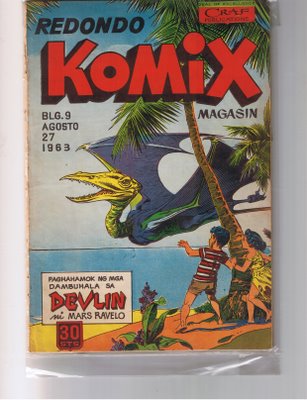
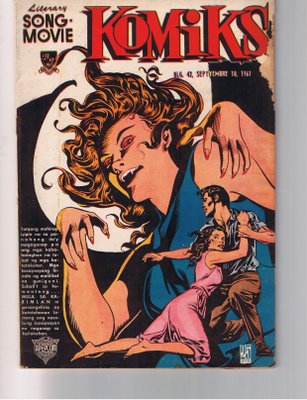
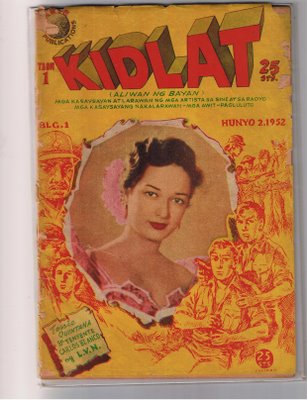
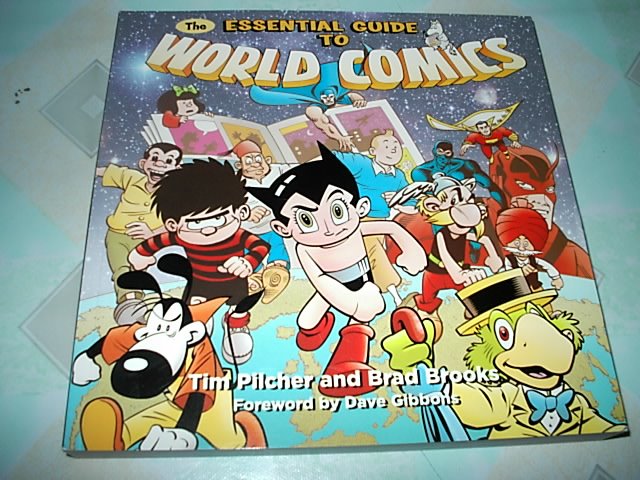
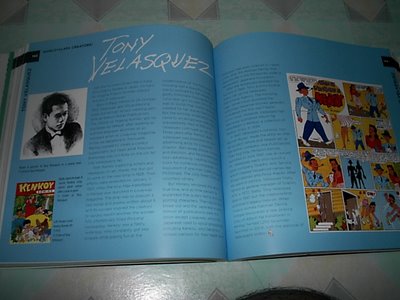 A special two-page spread tribute to Tony Velasquez, father of Philippine Comics.
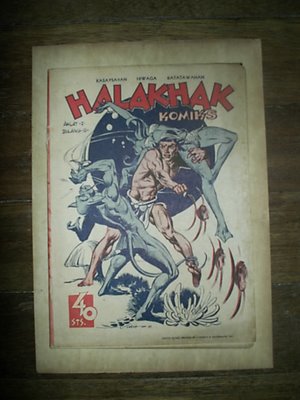 Halakhak Komiks #9, 1946. This is the only Coching cover for the extremely rare Halakhak Komiks, featuring Bulalakaw, one of his early komiks characters.
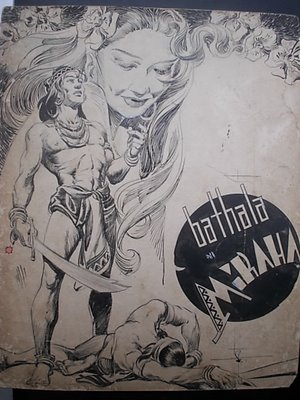 Liwayway Cover, Issue for October 9, 1947
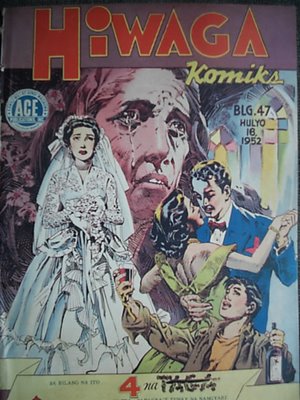 Hiwaga Komiks#47, July 16, 1952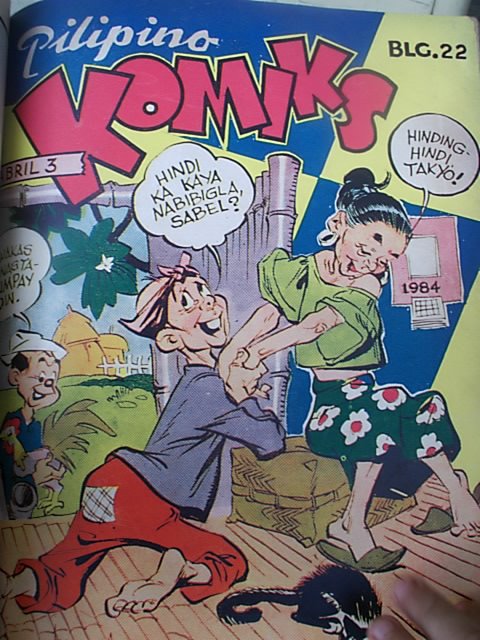
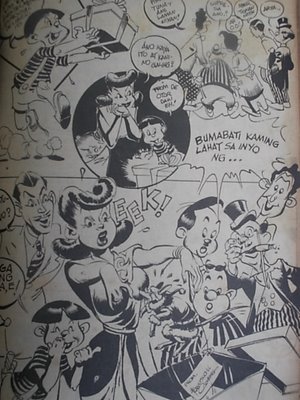 Paloma, the first cartoon character of Coching in Pilipino Komiks, 1947.